2026 Mindfulness Workbook: A Practical Guide for Building Awareness and Balance
The 2026 Mindfulness Workbook is a 120-page, no-bleed format resource designed to help individuals cultivate present-moment awareness, reduce stress, and develop emotional balance through guided exercises and reflection prompts. Unlike many mindfulness products that focus solely on theory, this workbook emphasizes actionable, daily practices that can be integrated into a regular routine. For anyone evaluating whether this workbook aligns with their goals, understanding its structure, features, and potential limitations is key to making an informed choice.
What the 2026 Mindfulness Workbook Offers
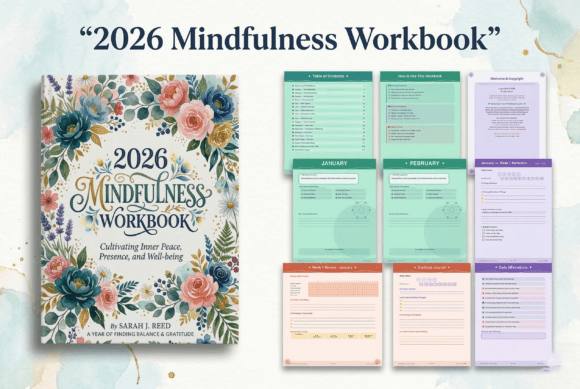
At its core, the workbook is structured around several distinct exercise categories: mindfulness reflection prompts, present-moment awareness exercises, breathing relaxation activities, mindful thinking worksheets, daily mindfulness practice pages, and an intentional living planner. Each section is designed to address a different dimension of mindfulness, from observing thought patterns without judgment to setting purposeful goals for the year ahead. The no-bleed format ensures that writing is contained neatly on each page, which can be a practical consideration for those who prefer a clean, organized journaling experience.
The workbook’s emphasis on consistency is notable. Rather than presenting mindfulness as an abstract concept, it breaks down practices into small, repeatable activities that encourage habit formation. The inclusion of breathing techniques, for example, provides a tangible tool for calming the nervous system in moments of stress, while the reflection prompts invite deeper exploration of one’s emotional landscape.
Why Someone Might Consider This Workbook
People often turn to mindfulness workbooks when they feel overwhelmed by racing thoughts, difficulty focusing, or a general sense of disconnection from the present moment. The 2026 Mindfulness Workbook directly addresses these concerns by offering structured, step-by-step activities that require no prior meditation experience. For someone new to mindfulness, the guided prompts reduce the guesswork of where to start. For those with some practice, the workbook can serve as a refresher and a way to deepen existing habits.
Another common motivation is the desire for emotional regulation. The workbook’s exercises encourage users to notice their thoughts and feelings without immediate judgment, which can gradually reduce reactivity and increase self-compassion. Additionally, the intentional living planner component appeals to individuals who want to align their daily actions with broader life intentions, making it a dual-purpose tool for both mindfulness and personal goal setting.
Benefits of Using the 2026 Mindfulness Workbook
Structured Guidance: One of the primary benefits is the clear framework it provides. Instead of wondering what to do each day, users can turn to a specific page or exercise that fits their current need. This structure can be especially valuable for those who find open-ended journaling intimidating.
Stress Reduction Through Practical Techniques: The breathing relaxation activities and present-moment awareness exercises are evidence-informed strategies for calming the mind. Regular practice can lead to lower cortisol levels, improved focus, and a greater sense of control during stressful situations.
Encourages Self-Reflection Without Overwhelm: The mindful thinking worksheets are designed to help users observe their thought patterns. Over time, this can reduce the tendency to get caught in cycles of worry or rumination. The workbook’s gentle prompts make this process accessible even on difficult days.
Flexible Daily Commitment: The daily mindfulness practice pages require only a few minutes each day. This low time commitment makes it easier to maintain consistency, which research shows is more important for building mindfulness skills than long, infrequent sessions.
Combines Mindfulness with Goal Setting: The intentional living planner section bridges the gap between inner awareness and outer action. For people who want their mindfulness practice to translate into tangible changes in their daily life, this integration can be particularly motivating.
Tradeoffs and Considerations
While the 2026 Mindfulness Workbook offers many advantages, there are tradeoffs to consider. First, the workbook format relies on written responses. Individuals who prefer audio-guided meditations, apps, or group classes may find the workbook feels solitary or less engaging over time. The exercises require a willingness to sit with one’s own thoughts, which can be uncomfortable for those new to introspection.
Second, the workbook’s effectiveness depends on consistent use. A person who purchases it but only opens it sporadically may not experience the cumulative benefits that come from regular practice. The daily pages are designed to build on each other, so skipping weeks at a time can reduce the overall impact.
Third, the workbook covers a broad range of mindfulness topics within 120 pages. While this makes it a good general resource, someone seeking deep, specialized guidance on a specific area—such as trauma-sensitive mindfulness or advanced meditation techniques—might find the coverage too introductory. The exercises are generally accessible, but they may not satisfy those with extensive prior experience.
Finally, the physical format means it is not portable in the way a smartphone app is. If your mindfulness practice relies on being able to engage anywhere, such as during a commute or in a waiting room, you may need to supplement the workbook with a digital option.
Who Is This Workbook a Strong Fit For?
The 2026 Mindfulness Workbook is particularly well-suited for:
- Beginners to mindfulness: The guided prompts and simple exercises provide a low-barrier entry point without needing a teacher or prior knowledge.
- Individuals seeking structure: If you appreciate having a clear daily task and a place to track progress, the workbook’s format will likely feel supportive.
- People managing moderate stress or anxiety: The breathing and awareness exercises offer practical tools for day-to-day calm, though they are not a substitute for professional mental health support.
- Those who enjoy journaling: For people who already write regularly, this workbook adds a mindfulness dimension to an existing habit.
- Goal-oriented individuals: The intentional living planner appeals to anyone who wants to connect their mindfulness practice with personal or professional intentions for the year.
When Alternatives May Be Worth Considering
There are situations where a different approach might serve you better. Consider alternatives if:
- You prefer audio or visual guidance: Apps like Headspace or Calm offer narrated meditations that may be more engaging if you struggle to stay motivated with written exercises.
- You are looking for a community experience: Group mindfulness classes or retreats provide social accountability and shared practice, which the workbook does not offer.
- You have a specific therapeutic need: For conditions like PTSD, severe depression, or chronic pain, a workbook should ideally be used alongside a therapist who can tailor exercises to your situation. While the 2026 Mindfulness Workbook is general in nature, it is not a clinical tool.
- You want a digital or more portable option: If you practice on the go frequently, a phone-based app or a PDF version of a workbook may be more practical than a physical book.
- You have extensive mindfulness experience: Long-term practitioners may find the exercises too basic and may benefit more from advanced texts, silent retreats, or teacher-led programs.
Practical Decision-Making Insights
When evaluating whether the 2026 Mindfulness Workbook aligns with your needs, consider these questions:
- What is your primary goal? If your aim is to build a daily mindfulness habit from scratch, the workbook’s structure is a strong asset. If you are troubleshooting a specific challenge, a more targeted resource may be better.
- How much time can you realistically commit? The workbook works best with even five to ten minutes per day. If your schedule is unpredictable, you might need a more flexible tool.
- Do you prefer solo practice or guided instruction? The workbook is self-directed. If you value having a teacher or community, supplementing it with a class or app could enhance your experience.
- Are you comfortable with written self-reflection? Some people thrive with journaling; others find it tedious. Be honest about whether writing will feel like a supportive practice or a chore.
- How do you measure progress? The workbook offers tangible pages and exercises that show your engagement over time. If you need external benchmarks or feedback, you may need to combine it with other methods.
Determining Alignment with Your Goals
The 2026 Mindfulness Workbook is fundamentally a tool for building self-awareness and emotional balance through consistent, small practices. It is not a quick fix or a comprehensive therapy, but a structured companion for anyone ready to invest time in their mental well-being. For the person who knows they want to slow down and reconnect with the present moment but needs a clear, guided path, this workbook provides a practical starting point.
For someone who already has a solid mindfulness foundation or prefers a less structured, more exploratory approach, the workbook’s orderly nature may feel constraining. Similarly, if your primary need is crisis management or deep therapeutic work, professional support should take priority over any self-guided workbook.
Ultimately, the decision comes down to your learning style, your current stress levels, and the kind of support you find most motivating. If you are someone who benefits from having a physical space to write, reflect, and track progress, the 2026 Mindfulness Workbook offers a well-rounded, accessible framework for cultivating calm and clarity in the year ahead.