Flower Garden Planning Workbook: Your Companion for a Beautiful Blooming Season
Every gardener knows the feeling of standing in a garden center, surrounded by flats of annuals and trays of perennials, imagining how they might look together in the ground come July. The excitement is real, but so is the challenge of keeping track of what you planted, where you planted it, and when to expect the first blooms. That is exactly where a structured planning tool becomes invaluable. The Flower Garden Planning Workbook was created to bridge that gap between inspiration and execution, giving you a dedicated space to map out your garden dreams and follow them through to harvest.
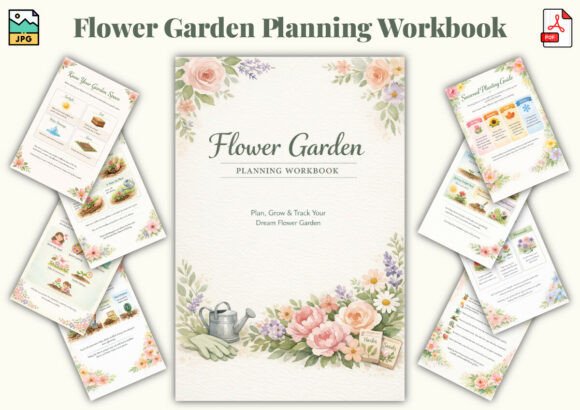
Designed with a soft pastel floral watercolor theme, this workbook combines a calm, inviting aesthetic with practical, everyday functionality. It is not just another notebook to shove on a shelf. It is a focused tool for documenting your garden journey, from selecting flowers to tracking growth, watering schedules, pest activity, and bloom records. Whether you are mapping out a small balcony container garden or planning a sprawling cottage garden border, the workbook adapts to your scale and ambition.
A Visual Style That Supports Daily Use
The design of the Flower Garden Planning Workbook carries a gentle, watercolor-inspired personality. The pastel floral theme is intentional: it creates a sense of calm and inspiration every time you open the page. For a publisher or content creator producing garden-related materials, this aesthetic aligns beautifully with the growing trend of mindful, slow-living content. It feels personal and handcrafted, which resonates with audiences looking for authentic, non-industrial tools for their creative and practical lives.
At 6 × 9 inches and 30 pages, the workbook is compact enough to carry to the garden or tuck into a tote bag, yet spacious enough to capture detailed notes. The clean, minimal layout ensures that your handwriting and sketches remain the focus, rather than competing with overly busy design elements. This restraint in design is a mark of thoughtful editorial design: it respects the user's content and makes the workbook a genuine pleasure to write in day after day.
Who Benefits Most from This Workbook
The Flower Garden Planning Workbook serves a wide range of users, and its value extends beyond the obvious audience of home gardeners.
Gardeners and Hobbyists
For anyone tending a garden, this workbook brings order to the chaos of seasonal planting. You can track which flowers thrived in full sun versus partial shade, record bloom times across different varieties, and note which plants attracted pollinators and which struggled with pests. Over a few seasons, these notes become a personalized reference that no generic gardening book can match.
Bloggers and Content Creators
If you create garden or lifestyle content, this workbook offers an analog anchor for your digital work. Use it to plan content calendars around bloom seasons, document photo-ready moments, and capture planting schedules that you can translate into blog posts or social media graphics. The watercolor aesthetic also aligns well with visual branding for nature-focused Instagram feeds, YouTube channels, or Pinterest boards.
Small Business Owners and Designers
Landscape designers, urban planners, and small nursery owners can use the workbook for client projects, garden consultations, or as a value-add offering alongside their services. The structured pages for layout design, soil notes, and growth tracking provide a professional framework that builds credibility with clients. It also makes a thoughtful branded giveaway or incentive for a mailing list.
Publishers and Marketers
For KDP publishers and content marketers, the workbook format itself is a product category with strong demand. The 6 × 9 inch trim size is standard for print-on-demand, and the pastel floral theme has broad appeal across demographics. You could adapt the workbook concept into variations for vegetable gardening, herb planning, or seasonal flower arranging, building a cohesive brand around garden planning.
How the Workbook Influences Organization and Creative Flow
Good design is about reducing friction. The Flower Garden Planning Workbook achieves this by offering a clear visual hierarchy across its pages. The layout guides you from garden planning to flower selection, then into seasonal planting guides, weekly and monthly planners, watering and sunlight trackers, soil logs, pest logs, and finally bloom and harvest records. This sequence mirrors the natural progression of a growing season, so you never have to wonder what to fill in next.
For the user, this structure builds consistency. Instead of random notes on scraps of paper or in generic notebooks, every observation has a designated home. Over time, this consistency turns into a reliable data set that reveals patterns about your garden's performance. The reflection and goal-setting pages at the end of the workbook encourage a closing loop: you review what worked, what did not, and set intentions for the next season. This cyclical approach is powerful for both novice gardeners learning the basics and experienced growers refining their practices.
Practical Guidance for Using the Workbook Effectively
To get the most out of your Flower Garden Planning Workbook, begin by flipping through all 30 pages to understand the layout before planting season starts. Make copies of the weekly and monthly planners if you want to extend the workbook's lifespan beyond a single year, or use them as rough drafts before committing to the final pages.
When selecting flowers, use the flower selection and layout design pages to sketch out spacing and grouping. This is where you can experiment with color palettes, height variations, and bloom timing. A practical tip: note the mature size of each plant directly on your layout page, along with sunlight and water requirements. This prevents overcrowding and reduces maintenance surprises later.
The watering and sunlight trackers are best used daily or every other day during peak growing months. Consistency here reveals microclimates in your garden. You might discover that one corner dries out faster than others, or that a certain flower performs better with morning sun than afternoon shade. These observations are gold for future planning.
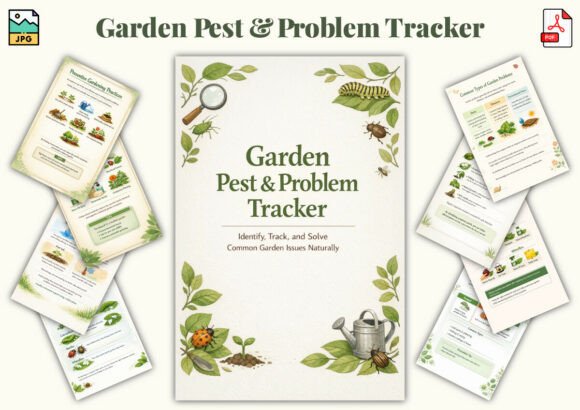
For pest and growth tracking logs, take a moment to snap a quick photo each week. Pairing your written notes with visual records creates a richer archive. When a pest problem appears, you can look back at previous entries to see when the issue started, what treatment you applied, and whether it worked. This turns the workbook into a long-term diagnostic tool.
Evaluating the Workbook as a Design Asset
From a creative professional's perspective, the Flower Garden Planning Workbook demonstrates restrained, user-centered design. The pastel floral watercolor theme adds warmth without distracting from functionality. The 6 × 9 inch size is comfortable to hold and fits neatly on a desk or in a garden apron pocket. For publishers considering similar projects, this workbook shows how a focused niche product with a cohesive visual identity can stand out in a crowded market.
The workbook's style also makes it suitable as a branded giveaway or incentive for newsletters, workshops, or retail purchases. Its clean layout invites customization: you could add your own logos, color codes, or additional prompts to tailor it to a specific audience. For a brand identity focused on nature, wellness, or artisanal living, this workbook aligns naturally with those values.
Making the Workbook Work for Your Goals
Before committing to a planning tool, consider your own workflow preferences. If you prefer digital tracking, you might use the workbook as a companion to a garden app, recording observations by hand and transferring summaries later. If you love analog systems, the workbook can stand alone as your primary garden journal.
Test the workbook for a single season before scaling its use. Fill out the soil and planting guides early, update the weekly planner during active gardening months, and complete the bloom records as flowers open. By the end of the growing season, you will have a comprehensive record that makes next year's planning faster and smarter.
The Flower Garden Planning Workbook is a practical, beautiful tool for anyone who wants to garden with intention. It replaces scattered notes with a coherent system, supports beginners and experts alike, and brings a moment of calm to the busy rhythm of garden life. Whether you are a gardener, a content creator, a publisher, or a small business owner, this workbook gives you a foundation to plan, grow, and track your way to a more organized and rewarding garden season.