The Ultimate Academic Planner: Take Control of Your Journey
Let’s be honest: staying organized as a student or lifelong learner is half the battle. Between lectures, assignment deadlines, exam prep, and trying to have a social life, it is easy to feel like you are constantly juggling. The difference between feeling overwhelmed and feeling in control often comes down to one simple thing: having a reliable system to track it all. That is where a dedicated planner changes the game.
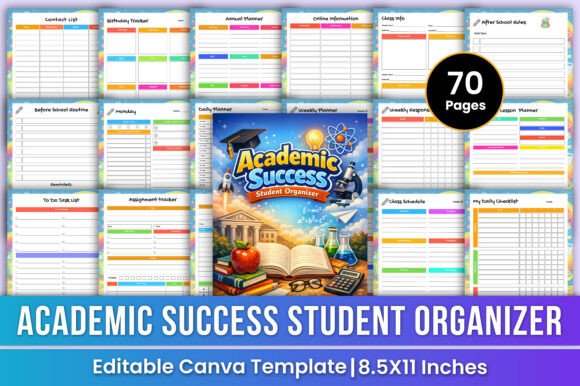
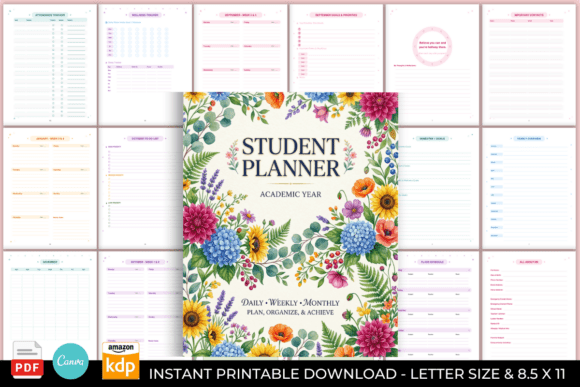
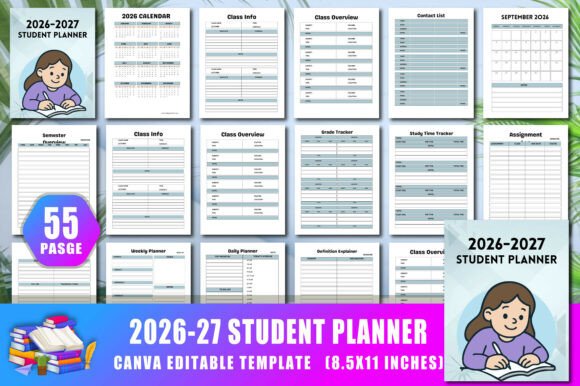
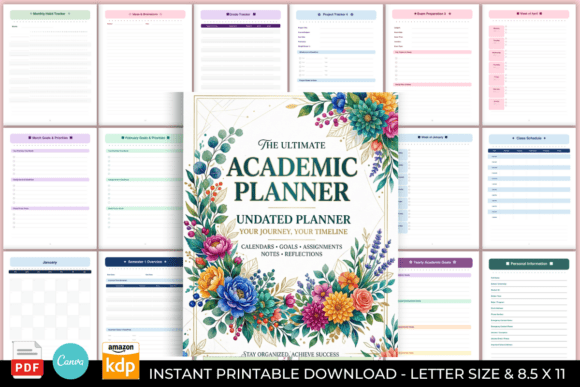
The Ultimate Academic Planner offers a comprehensive 110-page undated framework designed to align with your unique schedule. It provides the structure you need to set goals, track progress, and achieve balance, no matter when your semester or course starts. This planner is built to adapt to you, not the other way around.
Key Features of a Truly Useful Planner
A planner is only as good as its structure. The Ultimate Academic Planner is broken into three distinct sections that work together. It is not just a notebook; it is a workflow. First, it helps you lay the foundation with goal setting and personal profiles. Then, it gives you the bird’s-eye view and daily detail through monthly and weekly spreads. Finally, it provides the tools to manage granular tasks like assignments and projects.
Setting the Stage: Goals and Semester Overviews
The Foundations section is where you anchor your intentions. It includes a Personal Academic Profile to store essential details like your student ID, advisor contacts, and key school information. Having a dedicated spot for this prevents frantic searching for logins or emails when you need them most.
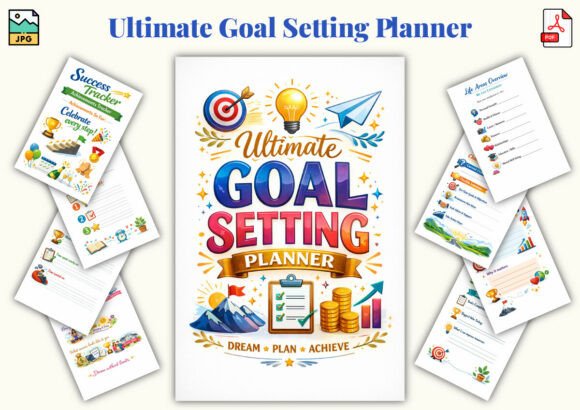
The Yearly Academic Goals spread is particularly valuable. It prompts you to define specific ambitions for your GPA, personal development, or extracurricular achievements. For a beginner, this act of writing down goals transforms a vague hope into a tangible target. The Semester Overviews then break this high-level ambition into a manageable map of courses, instructors, and critical deadlines. Use this section to visualize your entire term at a glance, noting heavy weeks so you can mentally prepare.
Your Weekly Engine: Monthly Calendars and Daily Blocks
The 12 undated monthly calendars provide large, flexible grids for tracking broader events such as exam periods, holidays, and social events. Seeing your month laid out helps with long-term pacing. The real work, however, happens in the Weekly Schedule. Designed as a structured Monday-to-Friday timetable from 8:00 AM to 7:00 PM, it allows you to visualize your class blocks and dedicated study sessions.
A practical use case here is color-coding. Use blue for lectures, green for independent study, yellow for work or extracurriculars, and orange for personal time. This visual representation of your week prevents overbooking and ensures you allocate time for deep work. It turns an abstract timeline into a live, daily practice.
Staying Ahead: Assignment and Project Trackers
This is where the planner truly shines for the detail-oriented. The Assignment and Project Trackers help you break down large, intimidating tasks into actionable steps. Instead of staring at a vague to-do item on your list, you can map out a clear sequence. Checking off these smaller steps provides a powerful sense of momentum and dramatically reduces procrastination.
For professionals taking certification courses or freelancers managing client projects alongside learning, these trackers act as a central command center. They ensure that nothing slips through the cracks, which builds confidence during stressful periods.
Why This Planner Works for All Types of Learners
While designed for a traditional student journey, its application is much broader. If you are an adult learner returning to school, the undated format is perfect because your timeline might not fit the September-to-May mold. Professionals pursuing micro-credentials can use the goal-setting section to map out their skills development. Entrepreneurs taking online courses can use the weekly schedules to carve out learning time between client work.
The beauty lies in the flexibility. The term “semester” in the planner can easily be replaced with a strategic quarter or an upskilling cohort. It provides the framework of a structured academic year without the rigid dates, making it a sustainable tool for lifelong learning.
Practical Ways to Use the Academic Planner Every Day
To get the most out of it, integrate the planner into your routine. Here are specific, actionable ways to use it from day one.
- The Start-of-Term Setup: When you begin a new course, spend thirty minutes filling out the Personal Academic Profile and Semester Overview. Input every fixed deadline from your syllabi into the monthly calendars. This upfront investment saves hours of confusion later.
- The Sunday Night Preview: Each Sunday, look at the upcoming week. Review your Assignment Tracker. What needs to be done? Block time in your Weekly Schedule for those specific tasks. Treat these study blocks like non-negotiable appointments.
- The Daily Check-In: Keep your planner open on your desk or carry it with you. Use the margins or blank spaces to jot down quick reminders, questions for an instructor, or ideas for upcoming projects.
- Balancing Life: Do not just schedule work. A balanced life is a sustainable one. Use the monthly calendar to mark social events, exercise routines, and personal downtime. Seeing study time and social time on the same page reinforces that your planner is a tool for your whole life.
Important Considerations Before You Begin
A planner is a powerful tool, but it requires a mindset shift to be effective. Keep these considerations in mind.
Consistency over perfection. You will miss days. You might have a week where nothing goes according to plan. That is okay. The goal is not a perfectly filled-out planner; it is a consistent habit. Pick it back up the next Monday. The undated nature of this planner means you can skip a rough week without feeling like you have ruined the whole book.
Be realistic with your time. It is easy to overestimate how much you can achieve in a two-hour study block. Use the first few weeks to gauge how long tasks actually take. Adjust your planning accordingly. It is better to schedule three realistic tasks and complete them than to schedule eight unrealistic ones and feel defeated.
Make it yours. Use highlighters, stickers, or simple bullet points. The system is meant to be adapted to your brain, not the other way around. The flexibility of the undated format encourages this personalization. Do not be afraid to skip sections that do not serve you or to repeat sections that you find helpful.
Ultimately, this planner is a framework for navigating your educational journey with intention and confidence. By providing a clear system for goals, timelines, and tasks, it frees up your mental energy for what truly matters: learning, growing, and succeeding on your own terms. Whether you are an undergraduate facing a tough semester or a professional adding new skills to your resume, this tool offers the structure to master your timeline.