🎉 Event Planner: Organize, Plan, Create Memorable Events with Ease
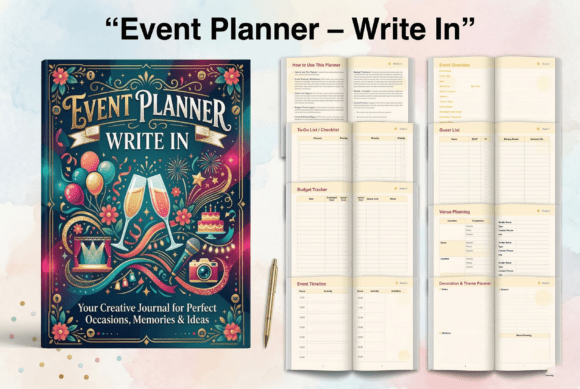
Planning an event should feel exciting, not overwhelming. Yet anyone who has managed a wedding, a corporate conference, or even a birthday party knows how quickly details can spiral. Between tracking budgets, coordinating vendors, managing guest lists, and keeping timelines straight, it is easy to lose sight of the joy that inspired the celebration in the first place. That is exactly where the 🎉Event Planner✨📋 steps in. This complete 120-page printable planning workbook is designed to help you organize every detail of your event from start to finish, turning what could be a stressful process into a structured, manageable, and even enjoyable experience.
Whether you are planning a small family gathering or a large corporate affair, having a central place to capture ideas, deadlines, and logistics makes all the difference. The 🎉Event Planner✨📋 provides exactly that: a comprehensive toolkit that helps you manage tasks, track spending, coordinate vendors, and ensure your event runs smoothly from the first brainstorm to the final thank-you note.
What Makes the Event Planner Stand Out
The strength of this planner lies not in flashy gimmicks but in practical, real-world utility. It covers every phase of event planning with dedicated sections that guide you step by step. Here is what you will find inside and why each component matters.
Brainstorm and Vision Pages
Every great event starts with a spark of an idea. The 🎉Event Planner✨📋 includes dedicated brainstorming and vision pages where you can capture themes, decoration concepts, activity ideas, and overall inspiration. Instead of scattering notes across notebooks, apps, or loose papers, you consolidate everything in one place. This is especially useful during the early stages when ideas are flowing fast but details are still fuzzy. Use these pages to define the mood, color palette, and style before moving into logistics.
Planning Timeline That Keeps You on Track
One of the biggest pitfalls in event planning is losing sight of deadlines. The timeline section in the 🎉Event Planner✨📋 helps you map out what needs to happen and when. From booking the venue six months out to confirming final head counts a week before, each step is laid out in a logical sequence. Having a visual timeline reduces last-minute scrambling and gives you confidence that nothing critical has been overlooked.
Guest List and RSVP Management
Managing invitations, responses, dietary restrictions, and seating arrangements can quickly become chaotic. The guest list and RSVP tracker within the planner organizes all of this in a clear, at-a-glance format. You can record names, contact information, meal preferences, and seating assignments without flipping through multiple documents. For events like weddings, corporate dinners, or milestone birthday parties, this alone saves hours of confusion.
Theme and Decoration Planning
Color palettes, décor elements, and event styling are where your vision comes to life. The theme and decoration planner pages allow you to map out everything from centerpieces and lighting to signage and party favors. By working through these details systematically, you avoid overspending on unnecessary décor and ensure a cohesive look that matches your original vision.
Budget and Expense Tracking
Money matters can make or break an event. The budget and expense tracker in the 🎉Event Planner✨📋 gives you a clear view of where every dollar goes. You can set spending limits for categories like venue, catering, decorations, entertainment, and photography, then track actual costs against your plan. This transparency helps you make informed decisions—whether that means reallocating funds or cutting back on non-essentials before it is too late.
Vendor and Supplier Organizer
Coordinating multiple vendors is one of the most demanding parts of professional and personal event planning. The vendor organizer section provides space to record contact details, contract terms, service descriptions, payment schedules, and important notes for each supplier—venue managers, caterers, photographers, florists, entertainers, and more. Having this information readily accessible during meetings and on the day of the event reduces stress and communication errors.
Food and Menu Planning
Whether you are catering a corporate lunch or planning a buffet for a family reunion, the food and menu planner helps you organize meals, snacks, beverages, and dietary accommodations. You can coordinate with caterers, plan serving schedules, and ensure everyone’s needs are met. This section is especially valuable for events with diverse guests who have specific food allergies or preferences.
Event Program and Schedule Planner
The flow of the event itself needs careful thought. The program schedule planner allows you to outline the sequence of activities—speeches, performances, meal services, toasts, games, or presentations. By mapping out timing in advance, you create a seamless experience for guests and reduce the chance of awkward gaps or rushed transitions.
Real-World Applications Across Different Settings
The beauty of the 🎉Event Planner✨📋 is that it adapts to virtually any type of event. Here are a few examples of how different users might apply it in practice.
For Professional Event Planners and Entrepreneurs
If you manage events as a business, this planner can serve as a client-friendly framework. Use it to present a clear plan to clients, track deadlines across multiple projects, and ensure nothing falls through the cracks. Having a standardized system also makes it easier to onboard assistants or freelancers because everyone follows the same structure. Entrepreneurs hosting product launches, networking mixers, or pop-up experiences will find the budget and vendor sections especially helpful for keeping costs under control while still delivering a polished outcome.
For Marketers and Brand Managers
Corporate events, trade show booths, and brand activations require meticulous coordination. The 🎉Event Planner✨📋 helps marketing teams manage timelines for promotional materials, coordinate with venues, track RSVPs for VIP guests, and plan the program flow to maximize engagement. Using the theme and decoration pages to align visual elements with brand guidelines ensures a consistent and professional presentation.
For Educators, Bloggers, and Content Creators
Teachers organizing school events, bloggers hosting workshops or meetups, and content creators planning launch parties all benefit from a structured planning tool. The brainstorm pages are ideal for capturing creative ideas, while the timeline keeps preparation on track alongside other responsibilities. Having a dedicated planner also means you can delegate tasks to volunteers or assistants with clear instructions, reducing the need for constant check-ins.
For Families and Hobbyists
Birthday parties, baby showers, holiday gatherings, and family reunions often fall to one person to organize. The 🎉Event Planner✨📋 takes the guesswork out of the process. You can involve other family members by assigning them sections of the planner, turning planning into a collaborative activity. The budget tracker is particularly useful for families working within a fixed budget, helping everyone see trade-offs clearly—like choosing a simpler menu to afford a better venue.
Practical Benefits You Can Expect
Using a structured planner like this one offers several tangible advantages that go beyond simple organization.
- Reduced stress and mental load. When every detail is recorded in one place, you stop relying on memory or scattered notes. This frees up mental energy for creative decisions and enjoying the process.
- Better budget control. The expense tracker gives you real-time visibility into spending, helping you avoid oversights that lead to last-minute financial surprises.
- Improved communication with vendors and guests. Having contact details, contracts, and preferences organized means fewer misunderstandings and faster problem resolution.
- Consistent branding and theming. By planning décor, colors, and styling in a dedicated section, you ensure a cohesive visual experience that leaves a lasting impression on attendees.
- Higher productivity during planning. With a clear timeline and task list, you know exactly what to work on each week, reducing procrastination and last-minute rushes.
What to Consider When Using the Event Planner
While the 🎉Event Planner✨📋 is a comprehensive tool, getting the most out of it requires a few practical habits. First, treat the planner as a living document—update it regularly rather than filling it out once and setting it aside. Events evolve, and your plan should reflect changes in real time. Second, take time early on to familiarize yourself with all the sections. Skim through the entire workbook before you start so you know where each piece of information will go. This prevents duplicate entries or missing pages later. Finally, consider printing extra copies of pages you use heavily, such as the budget tracker or vendor organizer, if your event involves many moving parts.
For those new to structured planning, start with a smaller event to build confidence before tackling something large like a wedding or conference. The principles are the same regardless of scale, and the practice will make your process smoother over time.
Final Observations
The 🎉Event Planner✨📋 succeeds because it meets a real need: the need for clarity in the midst of complexity. It does not promise to eliminate all challenges—every event has unexpected moments—but it gives you a reliable foundation to handle them. By combining visioning with logistics, budgeting with creativity, and scheduling with flexibility, this workbook becomes a tool you return to again and again.
Whether you are planning a wedding, a corporate gala, a baby shower, or a simple dinner party, having a structured approach makes the difference between an event that feels chaotic and one that feels intentional. And intentional events are the ones people remember.