Daily Planner Schedule Habit Tracker Page: A Practical Tool for Structured Days
Managing time effectively often means balancing priorities, tasks, habits, and self-care within a single system. The Daily Planner Schedule Habit Tracker Page is one such system, designed to consolidate multiple planning elements into one layout. Whether you are a student, a professional, or someone working on personal growth, understanding what this planner page offers and how it compares to other approaches can help you decide if it fits your routine. This article evaluates the page's features, practical tradeoffs, and the situations where it may or may not serve you well.
What the Daily Planner Schedule Habit Tracker Page Includes
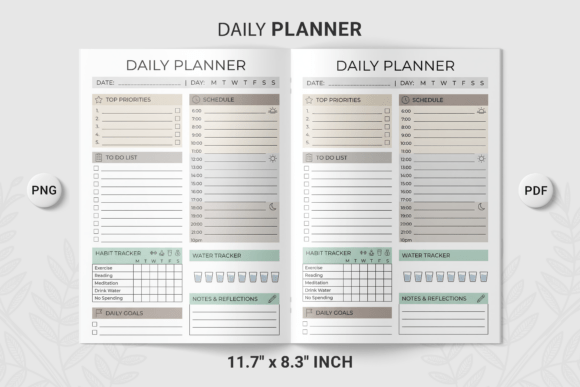
At its core, this planner page combines several functional sections on a single sheet. A typical layout includes a priorities list, a to-do list, a detailed hourly schedule, a habit tracker with checkboxes (commonly for exercise, reading, meditation, drinking water, and no spending), a water tracker, and a notes and reflections section. The design uses a soft neutral palette of beige, grey, and light green, which keeps the page visually calm and easy to read.
This combination aims to reduce the need for multiple tools or notebooks. Instead of maintaining a separate habit tracker, daily schedule, and to-do list, you have one page that attempts to capture the major components of a productive day. The page is available as a high-quality PNG and a ready-to-use PDF, making it suitable for both printing and digital use in apps like GoodNotes, Notability, or OneNote.
Why People Choose This Type of Planner Page
People are drawn to this planner page for several overlapping reasons. First, convenience plays a role. Having one page for daily planning reduces friction at the start of each day. You do not need to flip between different notebooks or open multiple app tabs. Second, habit tracking integration is a strong draw. Many people want to build habits like drinking enough water or meditating, but they struggle to remember to track them separately. Embedding checkboxes directly into the daily layout makes it more likely that you will actually use them.
Third, the aesthetic simplicity appeals to those who find overly decorated or colorful planners distracting. A minimal neutral palette can feel less overwhelming and more like a workspace than a creative project. Fourth, the inclusion of a water tracker and reflections section adds a layer of self-care that goes beyond pure task management. This makes the page particularly attractive to people who want to blend productivity with wellness.
Benefits of Using a Combined Daily Planner Page
When evaluating the Daily Planner Schedule Habit Tracker Page, several benefits stand out. One major advantage is reduction of cognitive load. Instead of deciding where to record each piece of information, you have a predetermined structure. This can save mental energy, especially in the morning when planning for the day ahead.
Another benefit is visual completeness. Seeing your tasks, schedule, habits, and water intake on one page helps you quickly assess whether your day is balanced. For example, you might notice that your hourly schedule is packed with meetings but your habit tracker is empty, prompting you to intentionally schedule a short exercise break. This awareness can lead to better daily decisions.
The habit tracker with checkboxes also provides a small but consistent dopamine hit when you check off completed items. Over time, this reinforcement can support habit formation. The water tracker, in particular, addresses a common health goal that many people forget about during busy days. By making water intake visible, you are more likely to meet your hydration targets.
Tradeoffs and Considerations
No single tool works perfectly for everyone, and this planner page has definite tradeoffs. The most significant is limited space per section. Because the page combines multiple elements, each section is relatively small. If you have more than a few priorities, a long to-do list, or a schedule packed with hourly appointments, you may run out of room. This can be frustrating and may require you to use additional pages or abbreviations, which defeats part of the purpose.
Another consideration is rigidity of structure. The layout is fixed, meaning you cannot rearrange sections to suit your personal workflow. For instance, if you prefer to start your planning with notes and reflections rather than priorities, you have to adapt to the given order. Some users find this constraining, especially if they have developed a specific planning routine over time.
The habit tracker's predetermined categories (exercise, reading, meditation, drink water, no spending) may not align with everyone's goals. If your habits are different, you might need to adapt the page manually, which reduces the convenience factor. Similarly, the water tracker assumes you want to track water specifically, but some people track other beverages or total fluid intake.
Finally, the digital versus print tradeoff matters. While the page is available in both PNG and PDF formats, digital users may miss the ability to easily resize sections or add interactive elements like reminders. Print users, on the other hand, will need to print a new page each day, which can become costly and less eco-friendly over time.
When This Planner Page Is a Strong Fit
This Daily Planner Schedule Habit Tracker Page works best for people who have moderate planning needs. If your daily to-do list fits in a small space, your schedule has clear hourly blocks, and you are tracking a handful of habits, this layout will likely serve you well. It is especially suitable for those who are new to structured planning or who want a simple way to get started without overwhelm.
It is also a good match for people who value aesthetic consistency across their planning tools. If you use digital planning apps or prefer a minimal, modern look, the neutral palette and clean design will fit easily into your existing system. Additionally, those who enjoy reflecting on their day will appreciate the built-in notes and reflections section, which encourages a brief end-of-day review without requiring a separate journal.
People focused on building habits alongside managing tasks will find the integrated habit tracker convenient. Rather than relying on a separate app or second notebook, you can track habits in the same place you plan your day. This proximity makes it easier to remember and complete habits consistently.
When Alternatives May Be Worth Considering
There are several situations where a different approach might work better. If you have high-volume task lists or very detailed hourly schedules, you will likely need more space than this page provides. In that case, a dedicated hourly planner with larger time blocks or a separate to-do list notebook may be more practical.
If your habit tracking needs are extensive or change frequently, a reusable habit tracker with blank rows or a digital habit tracking app might be more flexible. The fixed categories on this page may feel limiting if you want to track sleep, screen time, gratitude, or other personalized habits.
For people who prefer digital planning with advanced features, such as clickable checkboxes, linked pages, or automatic habit streak tracking, a static PDF or PNG will not provide that functionality. In that case, a digital planning app with customizable templates or a subscription service with interactive elements might be a better investment.
Another alternative is the spreadsheet-based planning system, where you create your own layout in tools like Excel, Google Sheets, or Airtable. This allows full customization of columns, rows, and tracking formulas, but it requires more setup time and technical comfort.
Finally, if you are someone who benefits from long-form journaling or brain dumping as part of your planning process, the small notes and reflections section may feel cramped. A bullet journal or a full-page daily journal would give you more room for unstructured thoughts.
Practical Decision-Making Insights
To determine whether this planner page aligns with your goals, start by analyzing your typical day. Count the number of tasks you usually need to write down, the number of hourly appointments you have, and the habits you want to track. If those numbers fit comfortably within the page's sections, it is likely a good match. If you often need more space, consider looking for a larger or more customizable template.
Next, think about your planning style. Do you prefer structure or flexibility? This page provides a clear structure, which is helpful for many people but can feel restrictive if you like to adapt your layout daily. Also consider whether you want to use the page digitally or on paper. For digital use, test how the page feels in your preferred app before committing to a full month of pages.
It is also worth considering cost and sustainability. A single purchase gives you one template, which you can reuse by printing or copying digitally. Over time, this can be more economical than buying a pre-printed planner that covers only a year. However, if you prefer a bound book that does not require daily printing, a traditional planner may be more convenient.
Finally, consider the longevity of your planning system. If you are trying to build a consistent daily routine, using the same layout every day can help establish a habit of planning itself. The repetition of the same structure reduces decision fatigue and can make planning feel automatic. If you enjoy variety or like to experiment with different layouts, this page's fixed design might eventually feel repetitive.
Aligning the Planner Page with Your Needs
The Daily Planner Schedule Habit Tracker Page is a thoughtful combination of essential planning elements in a calm, minimal design. Its strength lies in integration and simplicity, making it a practical choice for many people who want to bring order to their days without investing in multiple systems. However, its limitations in space and flexibility mean it is not a universal solution.
If you value having a single page that covers planning, habits, and reflection, and your daily demands fit within its boundaries, this page can be a reliable companion. On the other hand, if you need more customization, larger writing areas, or interactive digital features, exploring alternatives may lead to a better fit. By carefully assessing your own planning habits and priorities, you can decide whether this page will genuinely support your productivity, time management, and personal organization goals.