Mental Health Planner: A Tool for Daily Balance and Self-Care Growth
Navigating mental wellness in a fast-paced world often requires more than good intentions. Structured tools that encourage reflection, tracking, and intentional habit-building can offer a reliable framework for those seeking to nurture their emotional health. The Mental Health Planner is one such resource, designed to help individuals document their mental health journey, set wellness goals, and practice self-care consistently. This article explores what this planner offers, why it might appeal to you, and how to evaluate whether it aligns with your personal needs and goals.
What Is the Mental Health Planner?
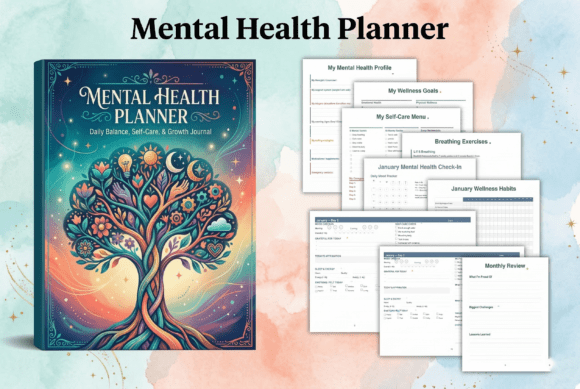
The Mental Health Planner is a no-bleed format journal that combines evidence-based tools, habit trackers, and guided reflection spaces. It is structured to help users understand their emotions, build resilience, and integrate self-care into daily life. Unlike a standard diary or gratitude journal, this planner includes dedicated sections for mapping out your mental health profile, setting wellness goals, practicing breathing exercises, and reviewing monthly patterns. It is intended for anyone looking to prioritize mental well-being, whether they are new to self-care practices or experienced in personal development work.
Key Features at a Glance
Understanding the specific tools within the planner can help you determine whether it meets your needs. The planner includes several distinct sections:
- My Mental Health Profile – A private space to document your support system, triggers, warning signs, coping strategies, and emergency contacts.
- My Wellness Goals – A section for setting intentions across emotional health, physical wellness, relationships, personal growth, self-care habits, and boundaries.
- My Self-Care Menu – Organized activities ranging from quick 5-minute resets to 30-minute soothes and deep restoration, plus a customizable emergency self-care plan.
- Breathing Exercises – Guided techniques including 4-7-8 breathing, box breathing, 5-5-5 breathing, and belly breathing, each with weekly trackers.
- Monthly Mental Health Check-In – A space to rate daily mood, reflect on challenges and wins, identify emotional patterns, and set next-month goals.
- Monthly Wellness Habits Tracker – A checklist for monitoring hydration, sleep, movement, journaling, gratitude, medication, outdoor time, screen limits, social connection, and breathing exercises.
Why You Might Be Interested in This Planner
People consider a mental health planner for several practical reasons. First, it offers a structured approach to self-care that can reduce the cognitive load of deciding what to do each day. Second, the inclusion of evidence-based techniques, like specific breathing exercises and habit tracking, provides a framework grounded in behavioral science. Third, the planner consolidates multiple aspects of wellness into one tool, which can simplify efforts to stay consistent.
If you find yourself wanting to better understand your emotional patterns, develop daily habits that support mental health, or build a personalized self-care routine, this type of planner may be a useful companion. It can also serve as a bridge between therapy sessions or as a supplement to other mental health practices.
Benefits of Using the Mental Health Planner
One of the primary benefits is the structure and consistency it provides. By having designated spaces for reflection and tracking, you are more likely to engage in regular check-ins with yourself. The monthly mental health check-in and habit tracker encourage you to observe patterns over time, which can lead to greater self-awareness and more informed adjustments to your routine.
The self-care menu is another standout feature. It categorizes activities by time commitment, making it easier to choose a practice that fits your current capacity. This flexibility can help you avoid the all-or-nothing trap that sometimes derails self-care efforts. The inclusion of an emergency self-care plan also adds a layer of preparedness for difficult moments.
For individuals who respond well to visual tracking and goal-setting, the wellness goals section and habit trackers provide a clear sense of progress. Seeing a week or month of completed habits can reinforce motivation and build momentum.
Tradeoffs and Considerations
No tool is perfect for everyone, and the Mental Health Planner comes with certain tradeoffs. One consideration is the level of commitment required. While the planner is designed to be comprehensive, filling out multiple sections daily or weekly may feel overwhelming for some, especially during periods of low energy or high stress. If you prefer minimal or unstructured journaling, this planner might feel too prescriptive.
Another tradeoff is the balance between structure and flexibility. The guided prompts are helpful for those who want direction, but they may not suit individuals who prefer open-ended expression. Some users might wish for more space for free writing or creative reflection beyond the pre-defined categories.
There is also the question of digital versus analog preferences. A physical journal requires carrying it with you, maintaining writing utensils, and having a private place to store it. If you are accustomed to digital tracking apps or prefer to keep mental health notes on your phone, a paper planner might feel less convenient. However, for others, the act of handwriting can be grounding and help with memory retention.
Who Is This Planner a Strong Fit For?
The Mental Health Planner is likely a good fit for individuals who:
- Are looking for a structured, guided approach to mental wellness and self-care.
- Appreciate evidence-based techniques like breathing exercises and habit tracking.
- Want to identify patterns in their mood, habits, and triggers over time.
- Are motivated by goal-setting and visual progress.
- Prefer a single, consolidated tool rather than using multiple apps or notebooks for different aspects of wellness.
- Are at a stage in their mental health journey where they feel ready to build daily routines and commit to regular self-reflection.
It can be especially helpful for people who are navigating chronic stress, anxiety, or depression and want a tangible way to track their coping strategies and resilience-building efforts. It may also serve as a useful complement to therapy or coaching, providing a structured record of progress and challenges between sessions.
When Alternatives Might Be Worth Considering
While the Mental Health Planner is comprehensive, it may not suit everyone. Alternatives might be a better fit if you:
- Prefer minimalist journaling or free-form writing without prompts and trackers.
- Are looking for a digital solution that integrates with other apps or offers reminders.
- Find that daily tracking feels burdensome and you would rather focus on a few key practices without monitoring multiple habits.
- Are seeking a planner with a specific focus, such as only gratitude journaling, only therapy notes, or only habit tracking, rather than a combined approach.
- Have a very limited budget or prefer free online resources and printable templates.
- Feel that the guided structure might stifle your own reflective style or creativity.
In those cases, a simple notebook, a digital habit tracker, or a specialized journal (like a gratitude journal or a therapy workbook) could serve your needs more directly. The key is to match the tool to your personal workflow and emotional capacity.
Practical Decision-Making Insights
To decide whether the Mental Health Planner aligns with your goals, consider the following questions:
- What is your primary reason for seeking a mental health planner? Is it to build consistency, understand patterns, or simply have a designated space for reflection?
- How much time can you realistically dedicate each day or week? If you can commit to even 5–10 minutes, the planner’s quick self-care options and breathing exercises can be integrated easily.
- Do you enjoy tracking and reviewing metrics? If yes, the monthly check-in and habit tracker will likely be satisfying. If not, you might skip those sections or use them sparingly.
- Are you comfortable with a structured format? The planner provides prompts and categories. If you prefer total freedom in how you write, you might adapt the sections or supplement with extra pages.
- Do you need a single place for both daily notes and long-term goals? The planner combines both, which can help reduce fragmentation.
It can be helpful to remember that no planner is a substitute for professional mental health care. Tools like this are designed to support, not replace, therapy or medical advice. Using a planner alongside professional support can create a more comprehensive approach to well-being.
What to Expect When Using the Planner
Realistic expectations will help you get the most out of the experience. Initially, you may spend more time exploring the different sections and figuring out what works for you. Over time, the routine can become more natural. The monthly check-ins are designed to reveal patterns that might otherwise go unnoticed, such as how sleep quality affects your mood or which coping strategies are most effective.
You may not fill out every section every day. That is perfectly acceptable. The strength of a structured tool is that you can choose what to use based on your current needs. Some weeks you might lean heavily on the breathing exercises; other weeks, the habit tracker or goal-setting section might take priority.
The no-bleed format is a practical feature if you plan to use pens or markers, ensuring that your writing remains legible on both sides of the page. This attention to physical usability can make the act of writing more pleasant and reduce friction in maintaining the practice.
Final Thoughts on Alignment with Your Goals
The Mental Health Planner offers a thoughtful, structured framework for anyone looking to integrate self-care, emotional awareness, and habit-building into their daily life. It is by no means a one-size-fits-all solution, but for those who appreciate guided prompts, evidence-based techniques, and a consolidated approach to wellness, it can be a valuable ally. By considering your personal preferences, time commitment, and what you hope to achieve, you can make an informed decision about whether this planner supports your journey toward balance and resilience.
Ultimately, the best tool is one that you will actually use and that feels aligned with your values and needs. If the structure and features of the Mental Health Planner resonate with you, it may provide the consistent, compassionate structure needed to nurture your mind and cultivate lasting wellness.